

.png)
Table of content
Strong products grow through real user feedback. Every comment, idea, and suggestion helps a team understand user needs and improve faster. Feedback gives a clear path toward building features people truly want to use.
Many teams use Frill to collect ideas and plan updates. Frill offers a clean place where users share thoughts and follow progress. It helps teams organize ideas, set priorities, and stay open with customers.
As a product grows, new needs appear. Teams look for flexible tools with more control, deeper insights, and stronger communication options. These tools help collect feedback, plan roadmaps, and share changelogs in one simple flow.
This guide highlights 10 strong Frill alternatives for 2026. Each tool helps product teams collect feedback, plan updates, and keep users informed. With the right platform, every team can understand users better and build products with purpose.
What is Frill?

Frill helps product teams collect feedback, plan new features, and share updates with users. The tool gives a simple and clean space where people share ideas and vote for the most useful ones. Teams use this feedback to guide product growth and keep users involved in every step.
Frill includes a public board for suggestions, a product roadmap for tracking progress, and a changelog for updates. Teams can post ideas, set priorities, and show upcoming improvements in one place.
Many startups like Frill because it looks neat and works fast. It keeps users engaged and allows clear communication between teams and customers. For small companies, Frill offers an easy way to manage feature requests without complex setups.
How to Choose the Right Frill Alternative
Picking a customer feedback tool needs a clear focus. Here are a few points to guide the choice:
- Ease of Use: Select a tool with a clean and simple layout. Everyone on the team should use it without training.
- Strong Integrations: Choose a platform that connects with tools like Slack, Intercom, and Jira. Smooth links keep work fast and organized.
- Customization Options: Pick software that allows full control over colors, boards, and design. A custom look builds trust and matches your brand.
- Fair Pricing: Go for a plan that fits your budget. Free or low-cost options work best for small teams and startups.
- Complete Feature Set: Use a platform that includes feedback boards, roadmaps, and changelogs in one space. This setup saves time and improves workflow.
- Reliable Support: Select a tool with quick and helpful customer support. Fast help keeps the team focused and stress-free.
Top 10 Frill Alternatives in 2026
Product teams need tools to collect customer feedback, plan roadmaps, and share updates. Frill works well, but growing teams often need more options, flexibility, and features.
1. Quickhunt: Best All-in-One Feedback and Roadmap Tool
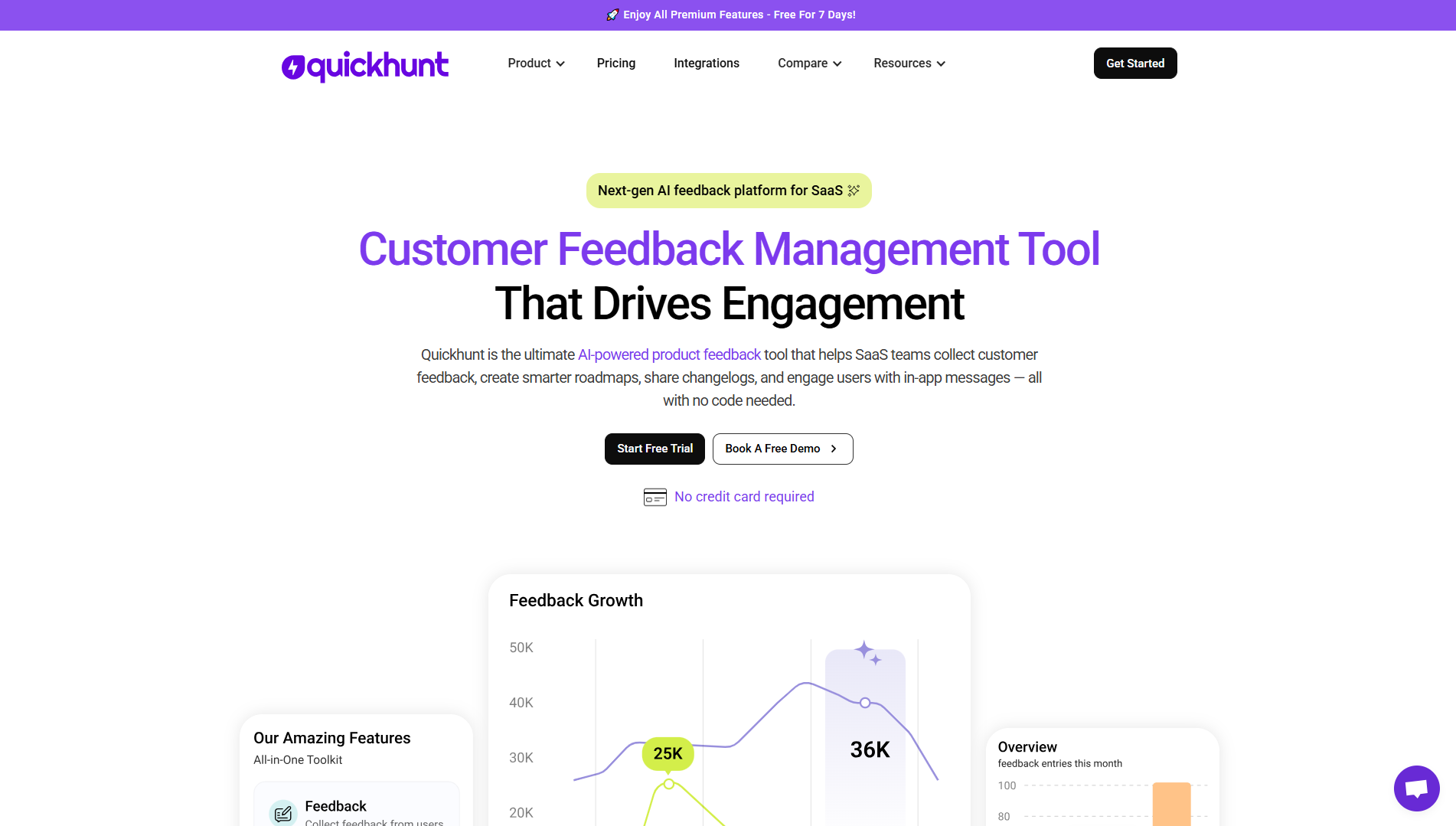
Quickhunt helps product teams collect feedback, plan roadmaps, and share changelogs in one place. The best customer feedback management tool offers a clean layout and fast setup. Teams collect ideas, sort them by priority, and keep users informed through in-app messages.
Top Features:
- Collect feedback with public or private boards
- Plan roadmaps and show progress
- Publish changelogs for every update
- Create help docs and checklists
- Use integrations with Slack, Intercom, and Notion
Quickhunt gives full control over the entire product process. Many teams call it the best Frill alternative for all-in-one product management.
2. Canny: Great for Product Feedback and Prioritization

Canny helps teams collect feedback, track votes, and decide on priorities. The tool keeps feedback organized in one space and links it to product planning.
Top Features:
- Easy feedback boards
- Voting and prioritization
- Public and private roadmaps
- Changelog publishing
Canny fits product teams that need deep insight into user requests and clear planning tools. Teams that need structured feedback often look for a Canny alternative for a more complete tool.
3. UserVoice: Ideal for Enterprise-Level Feedback Management

UserVoice serves large companies with many users. It helps teams understand customer needs through data and reports.
Top Features:
- Feedback collection portals
- Advanced analytics and insights
- Strong integrations with other platforms
- Secure setup for large teams
UserVoice supports enterprise-scale products with high feedback volume and complex workflows.
4. ProdPad: Focused on Idea Management and Roadmapping
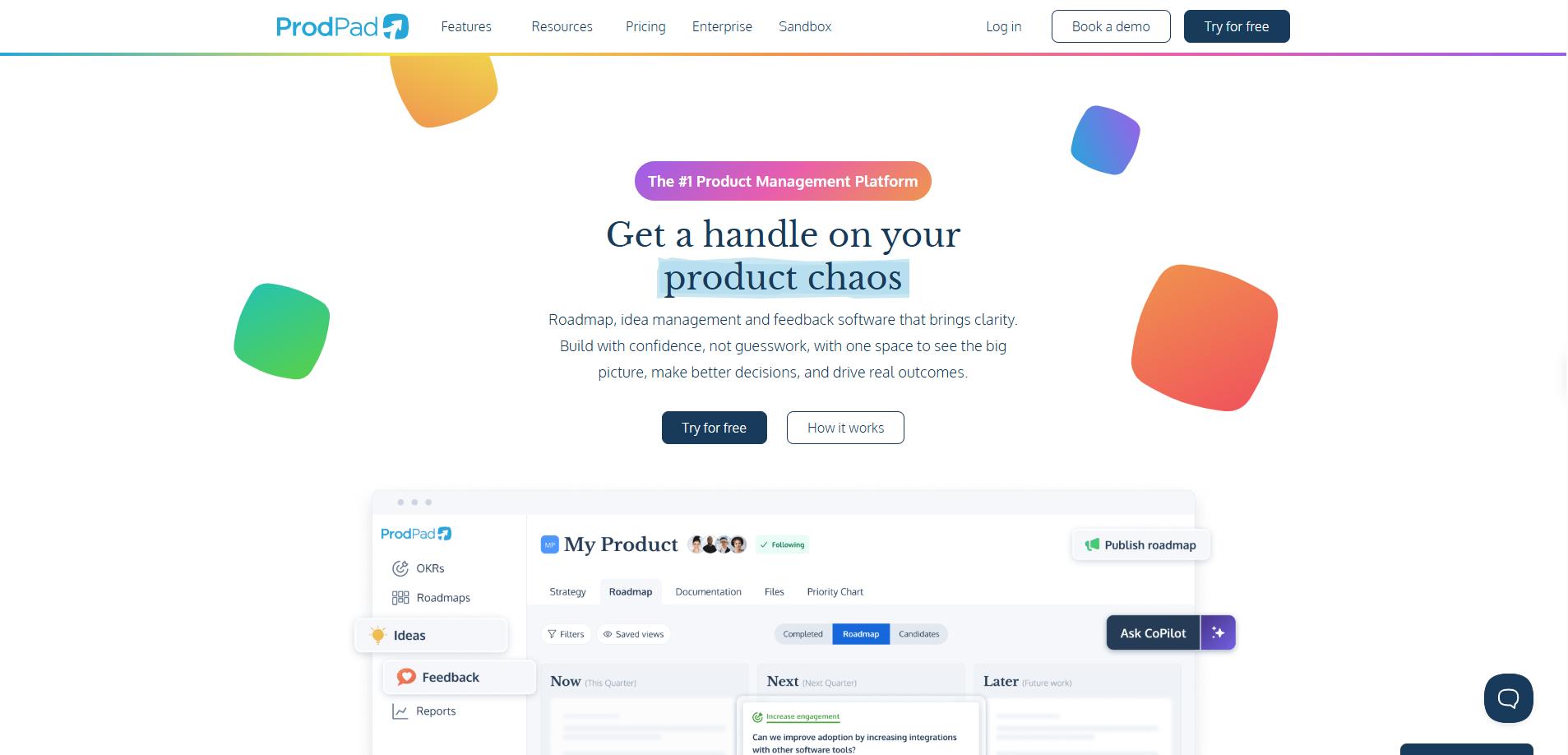
ProdPad gives product teams full control over ideas, planning, and collaboration. It helps organize customer feedback and turn ideas into clear product roadmaps.
Top Features:
- Idea tracking and grouping
- Visual product roadmaps
- Team collaboration tools
- Flexible feature management
ProdPad supports creative teams that need structured idea management with roadmap planning.
5. Rapidr: Simple Tool for Collecting and Organizing Feedback
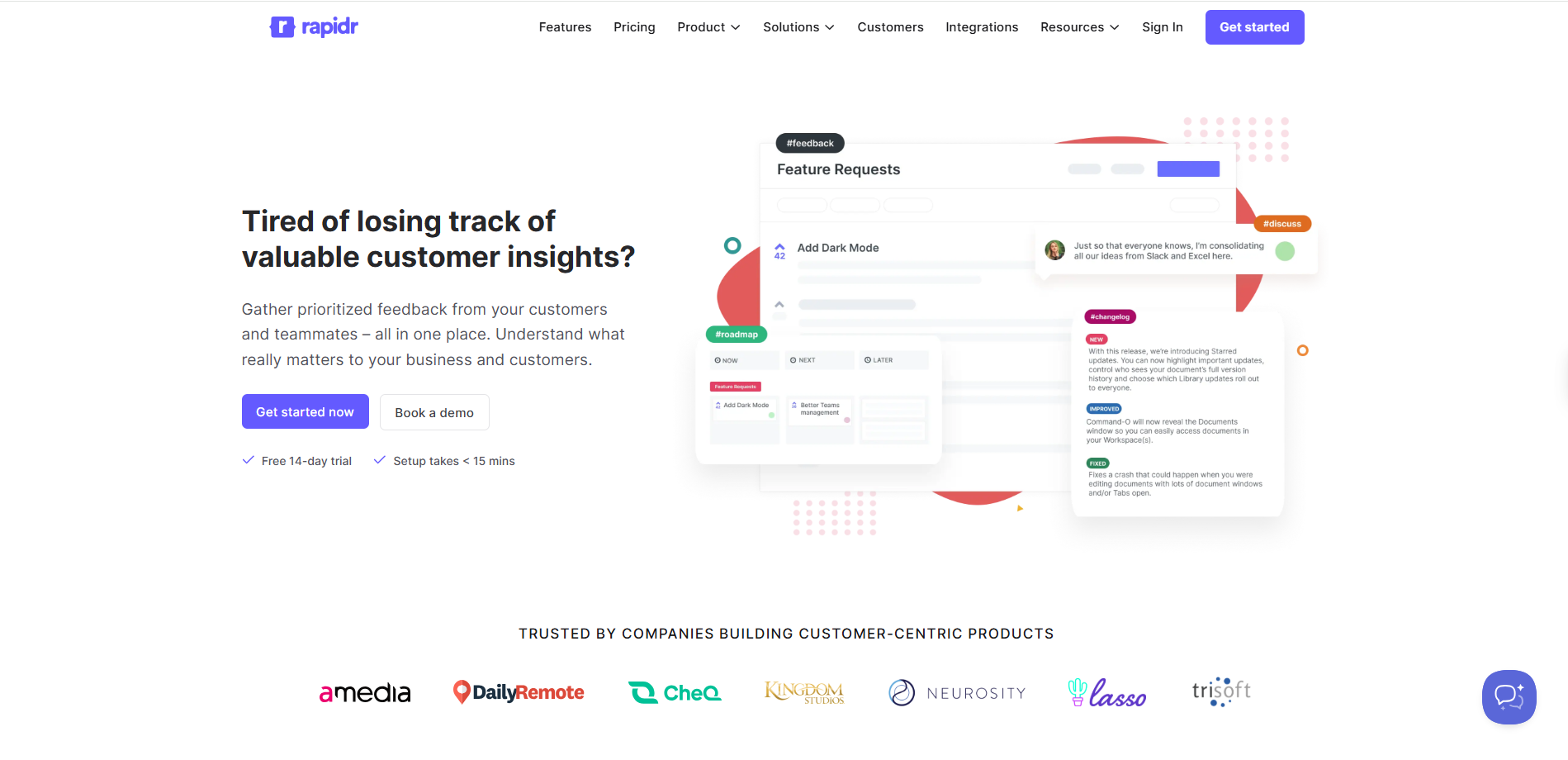
Rapidr offers a clean design and easy setup. Teams collect customer feedback, organize requests, and share updates without extra steps.
Top Features:
- Public and private feedback boards
- Clear roadmap view
- Simple changelog sharing
- Smooth integrations
Rapidr fits startups and small teams that want speed, focus, and affordability.
6. Featurebase: Affordable Alternative for Growing Teams
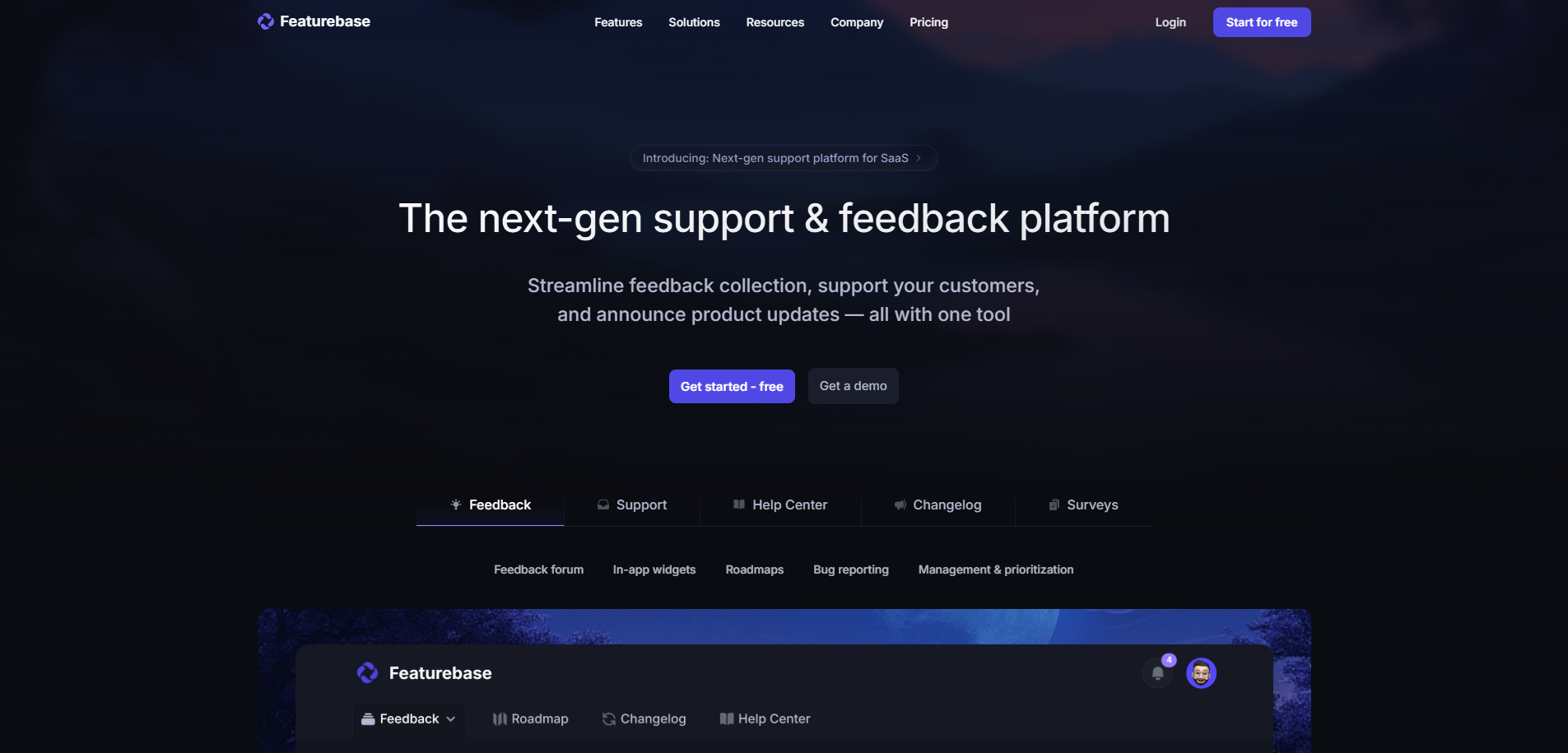
Featurebase offers a lightweight platform for collecting user ideas. The tool gives startups an affordable way to manage product feedback and updates.
Top Features:
- Feedback collection and voting
- Custom branding options
- Roadmap sharing
- Simple dashboard
Featurebase supports small and mid-size companies that need an easy and budget-friendly Frill alternative. Teams seeking a Featurebase alternative often switch to Quickhunt for better roadmap and changelog integration.
7. Olvy: Feedback Tool with Deep User Insights

Olvy helps teams understand user feelings and behavior. It combines feedback with insights from multiple sources like Slack and social media.
Top Features:
- AI-powered feedback summaries
- Sentiment tracking
- Multi-channel feedback collection
- Fast integrations
Olvy supports teams that want detailed insight into user reactions and feedback trends. Companies searching for an Olvy alternative use Quickhunt to manage feedback, roadmaps, and updates all in one place.
8. Aha!: Best for Product Roadmap Planning

Aha! focuses on planning and strategy. It gives full control over product goals, timelines, and feature priorities.
Top Features:
- Idea collection and review
- Detailed roadmap builder
- Team goal tracking
- Report generation
Aha! works best for teams that manage complex roadmaps and need clear alignment across departments.
9. Userback: Designed for Visual Feedback and Bug Reports

Userback helps design and development teams collect visual feedback. Users share screenshots, screen recordings, and notes directly through the widget.
Top Features:
- Screenshot and video feedback
- Browser widget for bug tracking
- Instant team notifications
- Project tool integrations
Userback fits creative teams that manage visual feedback and fix design issues fast.
10. FeatureOS: Great for Managing Feature Requests

FeatureOS supports smooth handling of feature requests and product updates. Teams collect ideas, review priorities, and publish public roadmaps.
Top Features:
- Feedback boards with voting
- Roadmap sharing
- Changelog updates
- Custom branding options
FeatureOS helps teams keep feedback organized and users informed through clear updates.
Why Quickhunt Stands Out as the Best Frill Alternative
Quickhunt helps product teams collect feedback, plan roadmaps, and share updates in one place. The tool keeps ideas organized and helps teams take action quickly. Teams use Quickhunt to connect with users, prioritize requests, and show progress clearly.
The platform offers in-app messages, changelogs, and help docs. Teams save time by managing feedback and updates in one tool. Integrations with Slack, Intercom, and Notion make work faster and smoother.
Quickhunt also offers a clean and simple interface. Everyone on the team can start using it without extra training. Affordable plans suit startups, while advanced features support growing companies.
Overall, Quickhunt gives teams full control over product feedback and development. It turns ideas into action and keeps users informed, making it a top Frill alternative.
Frill vs Quickhunt: Feature Comparison Table
Conclusion
Collecting feedback helps teams stay close to users and make better products. The right tool makes this process simple, fast, and organized. Frill works well, but growing teams need more features, more flexibility, and stronger integrations.
These ten tools help teams gather ideas, plan roadmaps, and share updates clearly. Each platform offers unique strengths for different needs. Quickhunt stands out as a top choice. It combines feedback boards, roadmap planning, changelogs, and in-app messages in one platform.
Choosing the best Frill alternative helps teams build products users love, stay focused, and deliver updates without confusion.
FAQs
1. Why use a Frill alternative?
A Frill alternative gives more features, integrations, and control for growing teams. It helps collect feedback, plan updates, and communicate with users in one place.
2. Which tool works best as a Frill alternative for startups?
Quickhunt works well for startups. It offers free and affordable plans, simple setup, and a full set of features.
3. Can teams move feedback from Frill to another tool?
Yes. Most tools allow easy import of feedback data using CSV files or integrations.
4. Do all alternatives include roadmap planning?
Yes. Each of these ten tools supports roadmap planning to organize features and updates clearly.


.svg "footer-logo")




.svg "fecebook")
.svg "linkdin")
.svg "twitter")



.png)