


Table of content
Great products grow faster when teams listen to customers every day. Users share ideas, report pain points, and suggest improvements that can shape the future of a product. However, scattered feedback across emails, chats, and spreadsheets creates confusion and slows decisions.
A strong product feedback tool helps teams collect ideas in one place, organize requests clearly, and turn customer input into actionable plans. Instead of guessing priorities, product managers and founders can see real demand, track trends, and build features that users actually want.
In 2026, customer expectations continue to rise. Users expect companies to listen, respond, and improve quickly. Because of this shift, product teams rely on feedback tools to stay aligned, move faster, and build stronger relationships with customers.
This guide explores the top product feedback tools that help teams capture ideas, manage feature requests, and create clear roadmaps. Each tool supports growth by helping companies make smarter product decisions with confidence.
What is the Product Feedback Tool?
A product feedback tool helps teams collect, organize, and manage customer ideas in one place. Teams use this tool to gather feature requests, bug reports, suggestions, and improvement ideas directly from users.
Customers share their thoughts through a feedback board, in-app widget, survey form, or email integration. The customer feedback management tool stores every idea in a single dashboard. Teams review the ideas, group similar requests, and set priorities based on votes and impact.
A product feedback tool also allows users to upvote ideas. As a result, teams quickly see which features matter most. Product managers then plan the roadmap using real customer input instead of guessing.
Why Product Feedback Tools Matter for Growing Teams
Growing teams move fast every day. New users join. Support tickets increase. Feature requests grow quickly. As growth continues, feedback spreads across emails, chat tools, sales notes, and app reviews. Without structure, confusion increases.
A product feedback tool brings order and clarity. It helps teams collect ideas, sort them, and take action with confidence.
Teams Stay Organized
Growing companies receive feedback from many places. Support agents hear complaints. Sales teams collect feature requests. Product managers track ideas in meetings. If teams store ideas in different tools, they lose visibility.
A customer feedback software keeps every idea in one dashboard. Teams add tags, labels, and priorities. Everyone sees the same list. As a result, teams avoid mistakes and save time.
Teams Build Features Users Actually Want
Many startups guess feature priorities. Guessing leads to wasted effort. Instead, smart teams rely on user demand.
Product feedback software shows vote counts and comment activity. Teams quickly spot popular requests. Therefore, product managers choose features based on real interest. This approach increases user satisfaction and reduces churn.
Better Team Alignment
Product, support, marketing, and engineering teams all need customer feedback insights. Without shared access, departments work in silos.
A product feedback tool allows everyone to view and discuss ideas. Product managers set priorities. Developers understand user pain points. Support teams follow progress. Consequently, alignment improves across the company.
Faster Decisions
Growing companies need speed. However, speed without clarity creates risk.
A provides clear data. Teams review trends and user demand instantly. Because of visible data, leaders make confident decisions. Discussions become shorter and more productive.
Stronger Customer Trust
Customers want recognition. They expect updates after sharing ideas.
A product feedback platform allows users to submit ideas and track progress. Teams share roadmap updates and changelogs. Customers see movement. Therefore, trust grows stronger over time.
Clear Product Direction
Every growing team needs direction. A product roadmap guides development. User input keeps the roadmap relevant.
Product feedback software connects ideas to roadmap planning. Product managers link popular requests to future releases. As progress continues, teams update their status clearly. This process keeps product strategy aligned with user needs.
Reduced Manual Work
Manual tracking drains energy. Copying ideas from email into spreadsheets wastes time.
A product feedback tool automates collection and organization. Notifications alert the right team members. As a result, teams focus more on building and less on sorting data.
Smarter Growth
Growth requires learning and adaptation. Feedback provides insight into user behavior and needs.
A product feedback tool tracks trends over time. Teams identify repeating problems and improvement areas. Therefore, companies improve step by step with confidence.
Key Features to Look for in Product Feedback Tools
Choosing the right product feedback tool can shape how your team builds and improves your product. A strong tool helps you stay organized, listen to users, and ship better features. Below are seven important features you should look for.
1. Easy Feedback Collection
A good product feedback tool makes feedback collection simple. Users should submit ideas without confusion. You should collect feedback from a public board, in-app widget, email, or link. The easier the process, the more ideas you receive.
2. Voting and Prioritization
Your users should vote on ideas. Voting helps you see which features matter most. Clear priority levels also help your team focus on high-impact requests. This feature saves time and removes guesswork.
3. Public Roadmap
A public roadmap shows users your future plans. It builds trust and keeps everyone informed. Users feel excited when they see their ideas move forward. Your team also stays aligned with clear goals.
4. Status Updates and Changelog
You should update users about progress. Status labels like “Planned,” “In Progress,” and “Completed” keep everyone informed. A built-in changelog helps you announce new features in one place. Clear updates increase transparency.
5. Feedback Organization and Tagging
Your tool should allow tags and categories. Tags help you group similar ideas. Filters and search options help you find feedback quickly. Organized feedback makes planning easier.
6. Integrations with Other Tools
Your team likely uses tools like Slack, Jira, or CRM platforms. A strong customer feedback tool connects with these tools. Integrations help your team share updates and manage tasks without switching platforms.
7. Analytics and Reports
You need clear insights to make smart decisions. Analytics show trends, top requests, and user activity. Reports help you understand customer needs. Good data leads to better product decisions.
Best 20 Product Feedback Tools in 2026
Many tools help businesses collect customer ideas, understand user needs, and build better products. Instead of managing feedback across emails, spreadsheets, and support tickets, these tools bring everything into one organized platform. Teams can gather feature requests, track user votes, analyze trends, and prioritize improvements based on real customer demand. As a result, product managers make smarter decisions and release features that users actually want.
1. Quickhunt
.png)
Quickhunt gives SaaS teams one simple place to collect and manage customer ideas. Teams gather feedback from users, organize requests, plan features, and share updates without switching tools. The product feedback tool keeps product managers, support teams, and founders aligned. As a result, teams move faster and build features users truly want.
Quickhunt suits startups, agencies, Shopify app founders, and growing SaaS teams. The clean interface helps teams launch feedback boards in minutes. Moreover, teams publish public roadmaps and changelogs to keep users informed.
In addition, Quickhunt supports help docs and live chat. Teams create help documentation inside the same platform and guide users step by step. Therefore, users find answers quickly without leaving the product. Live chat allows teams to talk with users in real time, solve problems faster, and collect product feedback during conversations. This combination improves user experience and increases customer satisfaction.
Top Features
- A public feedback board where users submit ideas and vote in one clear space
- Roadmap planning view that helps teams prioritize features based on demand
- Changelog tool that shares product updates in a professional format
- In-app widgets that collect feedback directly inside your product
- Help docs builder that lets teams create and publish organized support articles
- Live chat feature that enables real-time conversations with users
- Status updates that notify users about progress instantly
- Tagging and filtering tools that help teams organize ideas quickly
- Easy integrations with Slack and other tools for better team collaboration
2. Canny
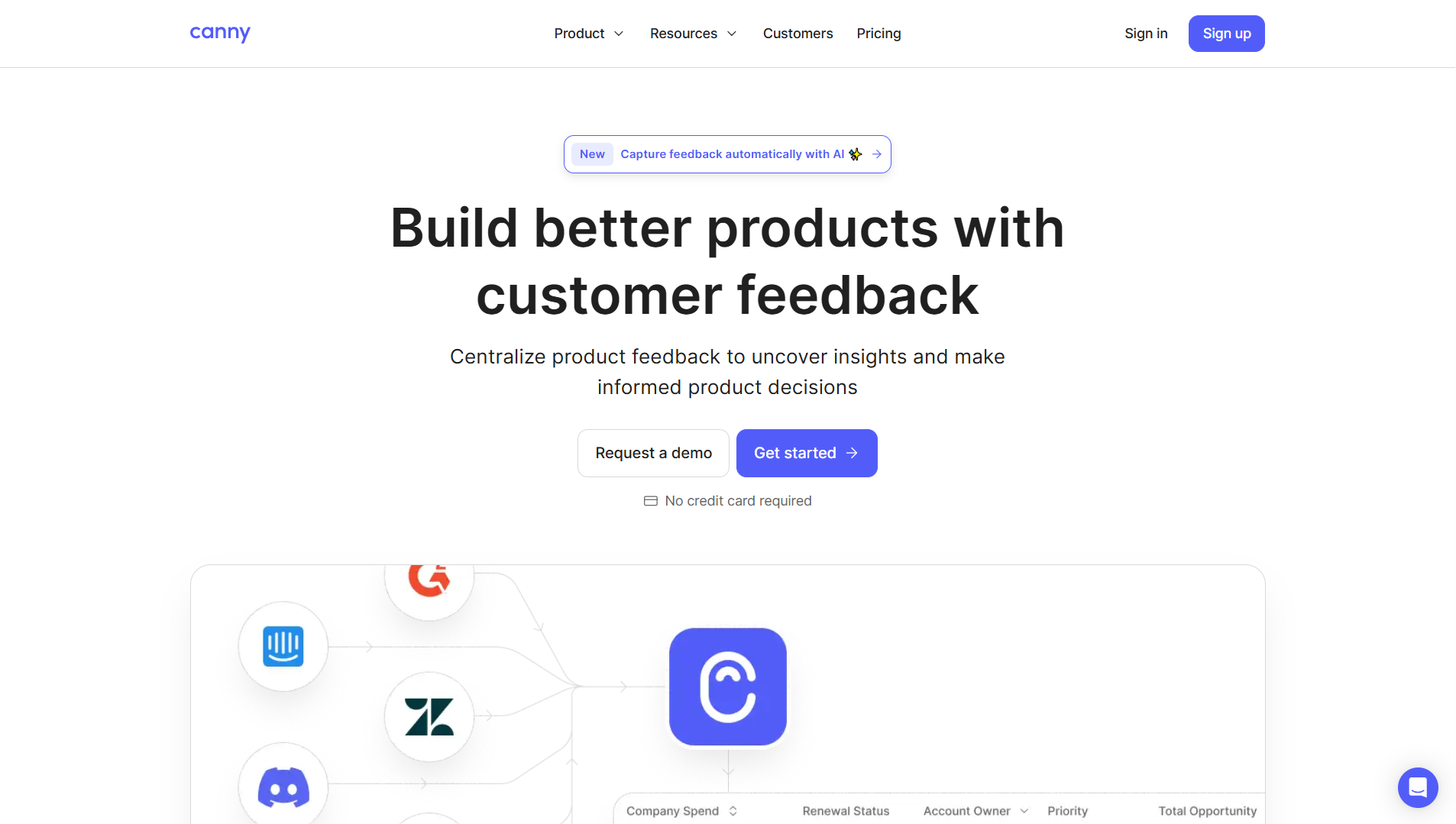
Canny provides a structured system for collecting and prioritizing feature requests. Many SaaS businesses rely on Canny to centralize customer ideas and measure demand through voting trends. The platform focuses on clarity and organized workflows.
Teams merge duplicate ideas and reduce noise. Therefore, product managers focus on the most requested improvements. However, growing teams sometimes explore a Canny alternative when they need more flexibility, better pricing, or additional feedback workflows that match their product strategy.
Top Features
- Centralized feedback boards that collect ideas from customers, sales teams, and support agents in one unified system.
- A voting engine that ranks feature requests based on customer interest and engagement.
- Public roadmap publishing that builds transparency and strengthens customer trust.
- Status tracking labels that clearly show whether a feature is under review, planned, or completed.
- A duplicate detection system that prevents clutter and keeps discussions clean.
- Insight tools that help teams connect feedback with customer accounts and revenue impact.
3. Frill
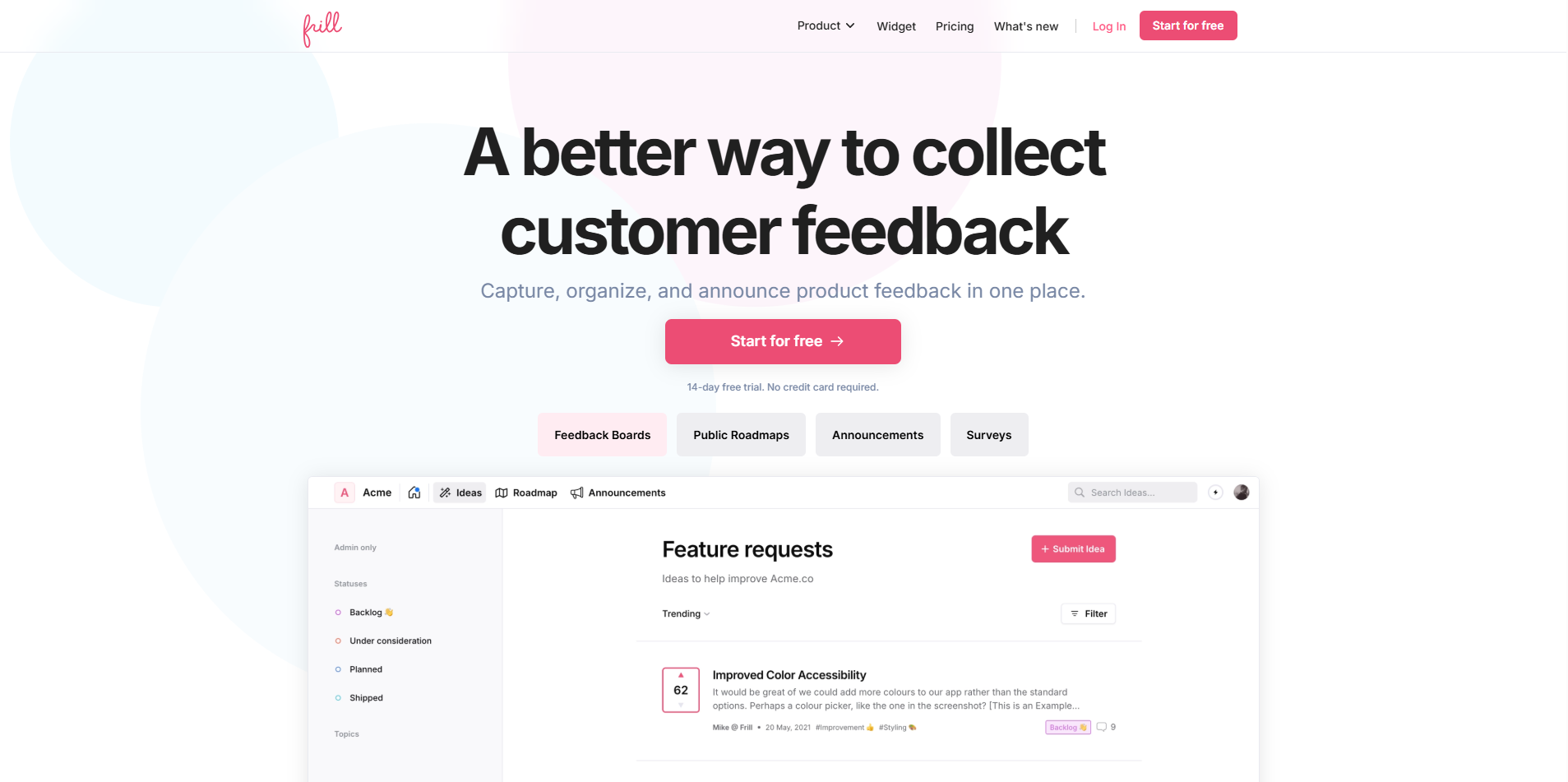
Frill offers a visually appealing way to manage feature ideas. SaaS teams choose Frill for its modern interface and easy setup. The system combines feedback collection, roadmap sharing, and changelog communication.
Frill improves engagement through a clean and professional design. Customers easily understand feature progress. However, some growing teams look for a Frill alternative when they need more customization, pricing flexibility, or additional workflow features as their product scales.
Top Features
- Customizable feedback boards that match brand colors and design guidelines for a consistent user experience.
- A feature voting system that highlights popular ideas and helps teams identify strong demand.
- Roadmap page that publicly displays upcoming features and development progress.
- Changelog publishing tool that shares updates with rich text formatting and structured layouts.
- A user subscription option that lets customers follow specific feature ideas.
- Simple moderation tools that help teams manage comments and maintain organized discussions.
4. UserVoice
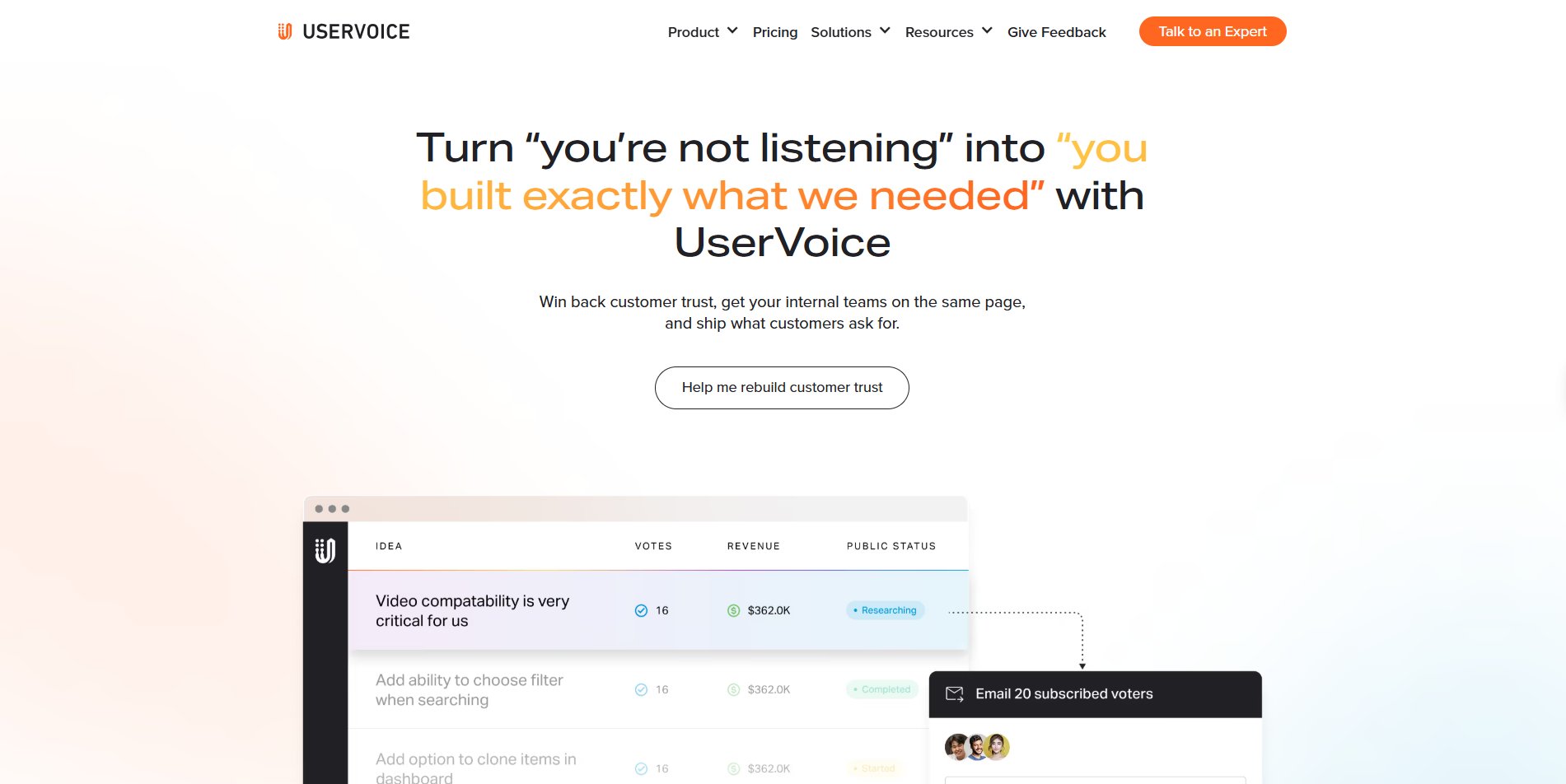
UserVoice supports large enterprises that manage high volumes of feedback. The platform delivers strong reporting tools and advanced customer segmentation. Many global companies rely on UserVoice for structured idea management.
Product leaders align feedback with business strategy and revenue goals.
Top Features
- Enterprise-level feedback portals that support thousands of users across different customer segments.
- An advanced analytics dashboard that tracks voting trends, engagement levels, and customer impact metrics.
- Customer segmentation tools that allow teams to analyze feedback by account type, revenue size, or industry.
- Role-based permissions that provide secure collaboration across departments.
- CRM integrations that link feature requests directly with customer profiles.
- Strategic prioritization framework that connects feedback with product vision and company objectives.
5. ProdPad
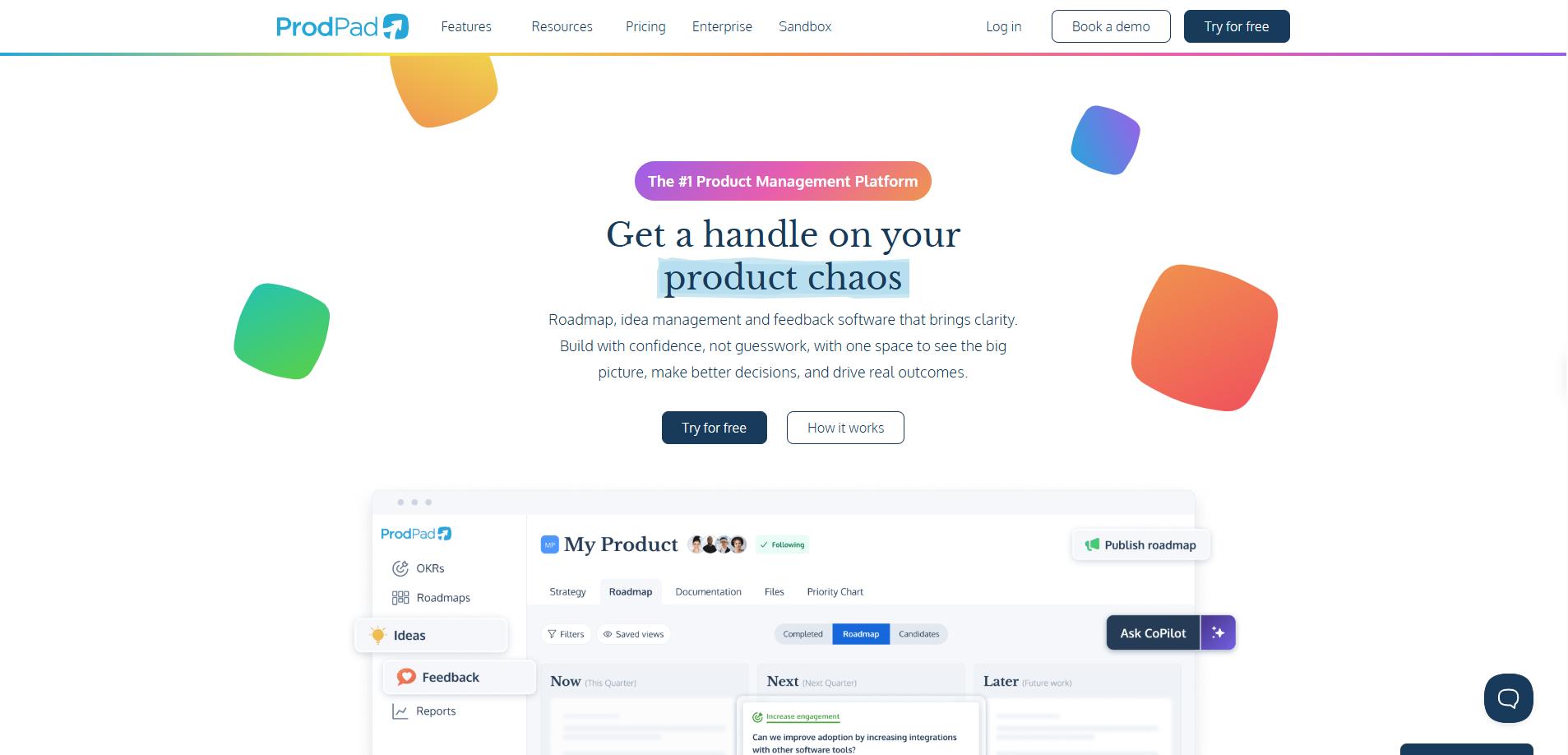
ProdPad combines idea management with roadmap strategy. Product managers use ProdPad to track customer suggestions and turn them into structured plans. The system supports lean product development and clear prioritization.
Teams connect feedback with discovery and validation processes.
Top Features
- An idea management board that organizes raw feedback into structured themes and categories.
- A dynamic roadmap builder that supports multiple roadmap formats, including timeline and outcome-based views.
- An impact scoring model that helps teams rank features based on value and effort.
- The customer linking feature that connects ideas with real users and accounts.
- Collaboration tools that support comments, mentions, and internal discussions.
- Integration support that syncs with delivery tools like Jira for smoother execution.
6. Featurebase
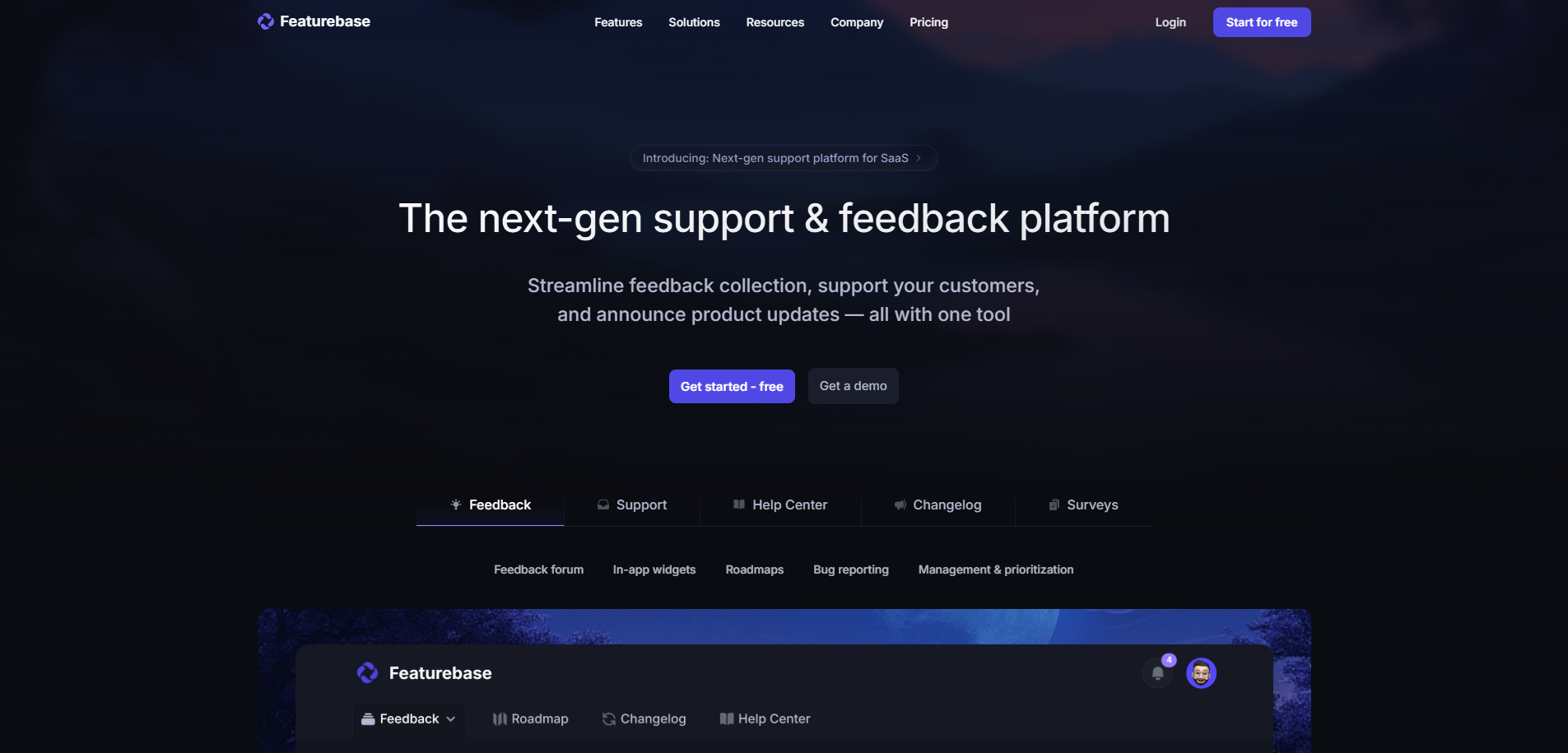
Featurebase offers an all-in-one solution that includes feedback boards, changelogs, and documentation. Startups use Featurebase to centralize user communication and product updates.
The platform keeps customers informed while improving feature prioritization. Some teams still look for a Featurebase alternative when they want a different user experience or more flexible workflows.
Top Features
- A public voting board that encourages customers to suggest ideas and support popular requests.
- Roadmap sharing page that communicates product direction clearly.
- Built-in changelog tool that publishes release notes and update summaries.
- Knowledge base integration that connects documentation with feedback.
- An email notification system that informs users about status changes.
- Easy onboarding process that helps teams launch quickly.
7. Nolt
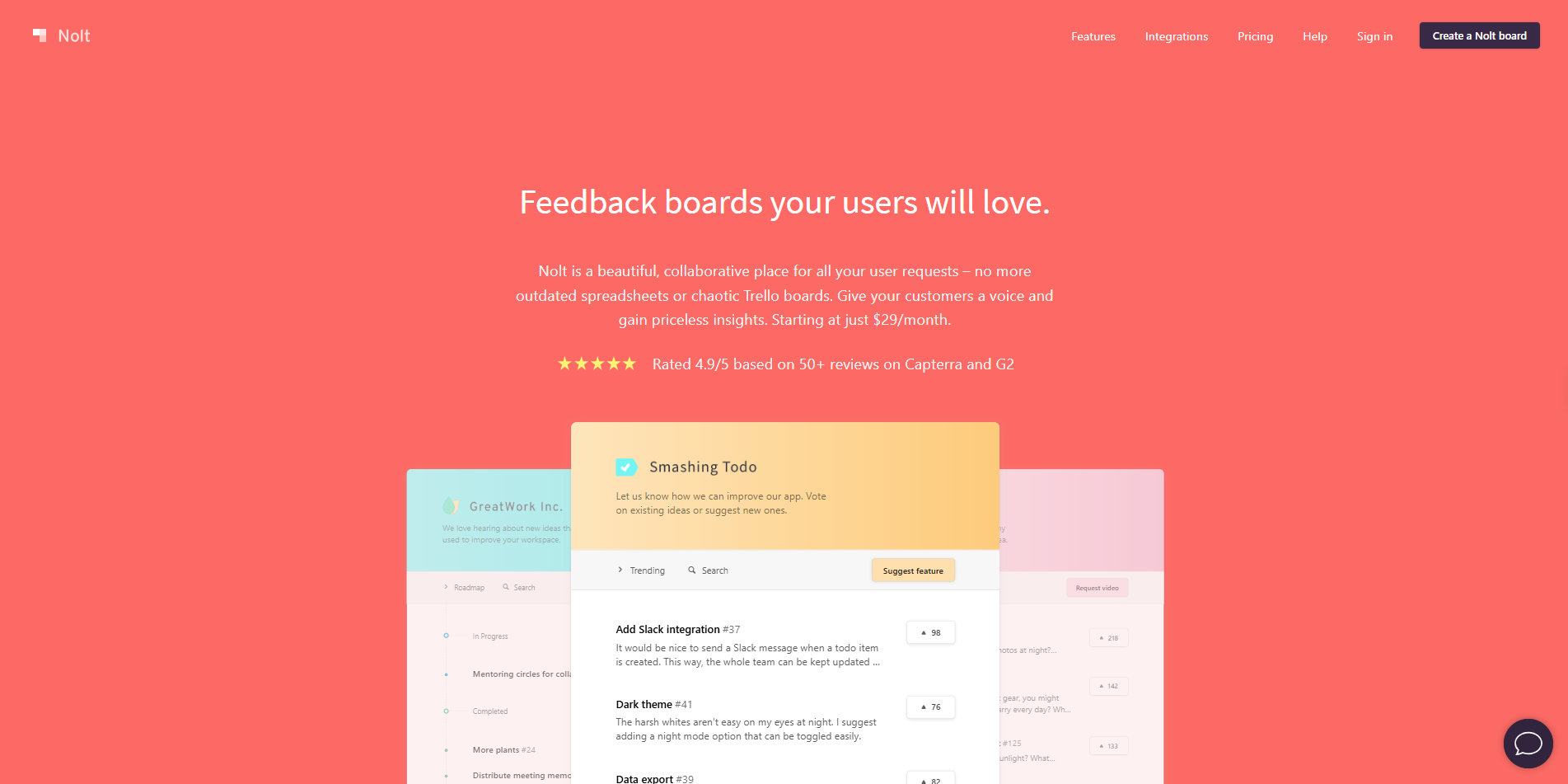
Nolt provides a lightweight feedback platform for small SaaS teams. The interface focuses on simplicity and speed. Teams launch boards without technical setup.
Customers submit ideas easily and vote within seconds.
Top Features
- Minimalist feedback board that keeps focus on ideas and voting.
- Public roadmap view that displays feature progress clearly.
- Status update labels that show development stages.
- Custom branding support that aligns with the company's design.
- Easy moderation controls for managing posts and comments.
- Fast setup process that requires minimal configuration.
8. Upvoty
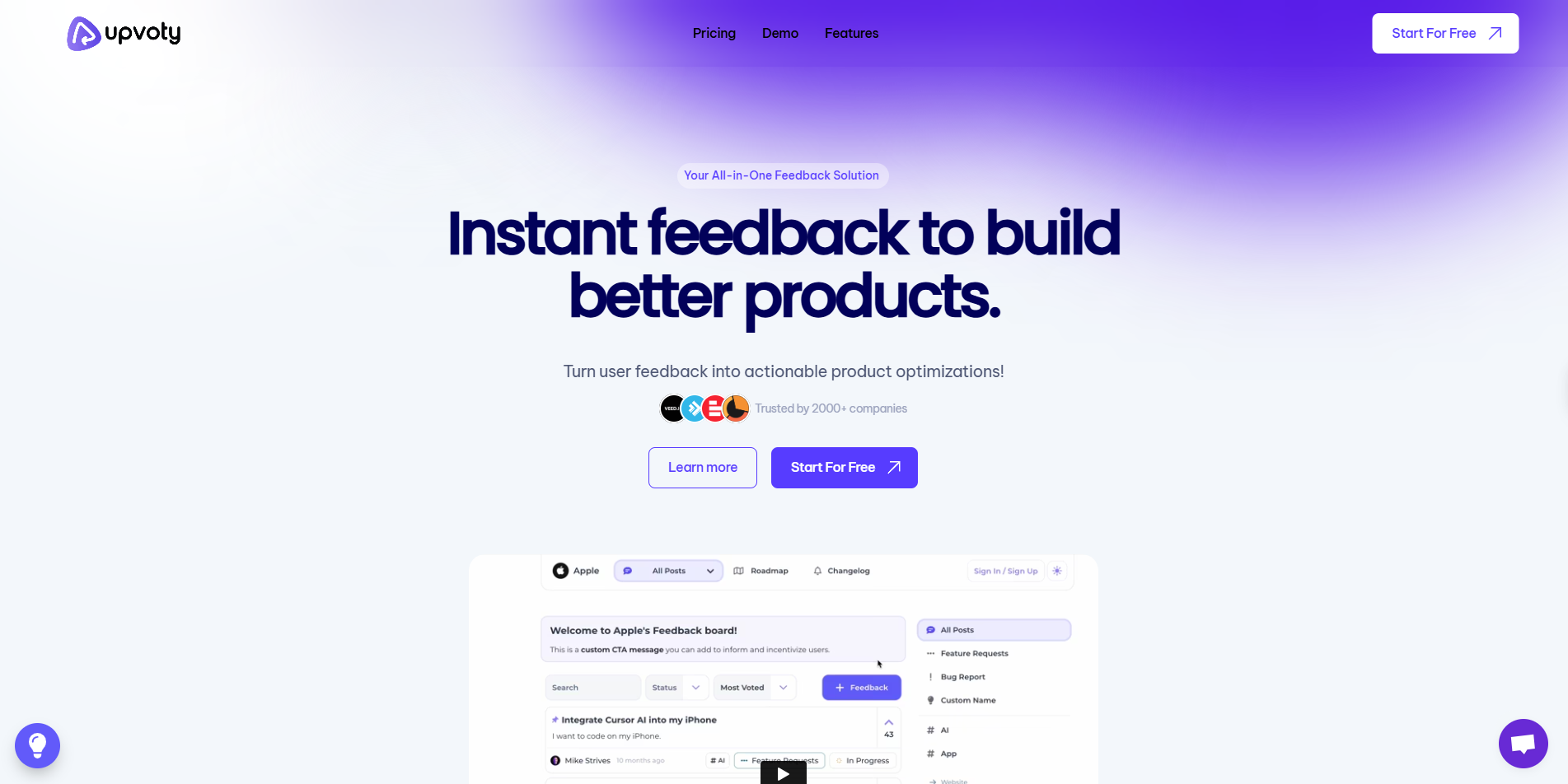
Upvoty provides a clear and solid way for teams to collect customer ideas and feedback in one place. Teams set up boards where users add ideas, vote, and leave comments. Upvoty also lets companies show their product roadmap so users see what’s coming next. Customers get updates automatically when teams move work forward. Because everything connects, teams spend less time copying feedback from channels and more time building great products.
Top Features
- A user-friendly feedback board where customers submit ideas, comment, and vote in a structured way. This board shows trends and popular requests clearly so teams understand what matters most.
- A public roadmap that shows planned work allows teams to group features by status and timeframe, and helps reduce confusion between what users want and what the team plans.
- Custom statuses that let teams mark ideas as planned, in progress, under review, or shipped, giving users a transparent view of progress.
- Notifications and alerts that automatically tell users when their ideas receive votes, comments, or updates from the team.
- Advanced filtering and tags so teams sort ideas by product area, priority, or topic for easier managing and planning.
- Integration options with apps like Slack, email, and support software to streamline how feedback enters the platform.
9. Rapidr
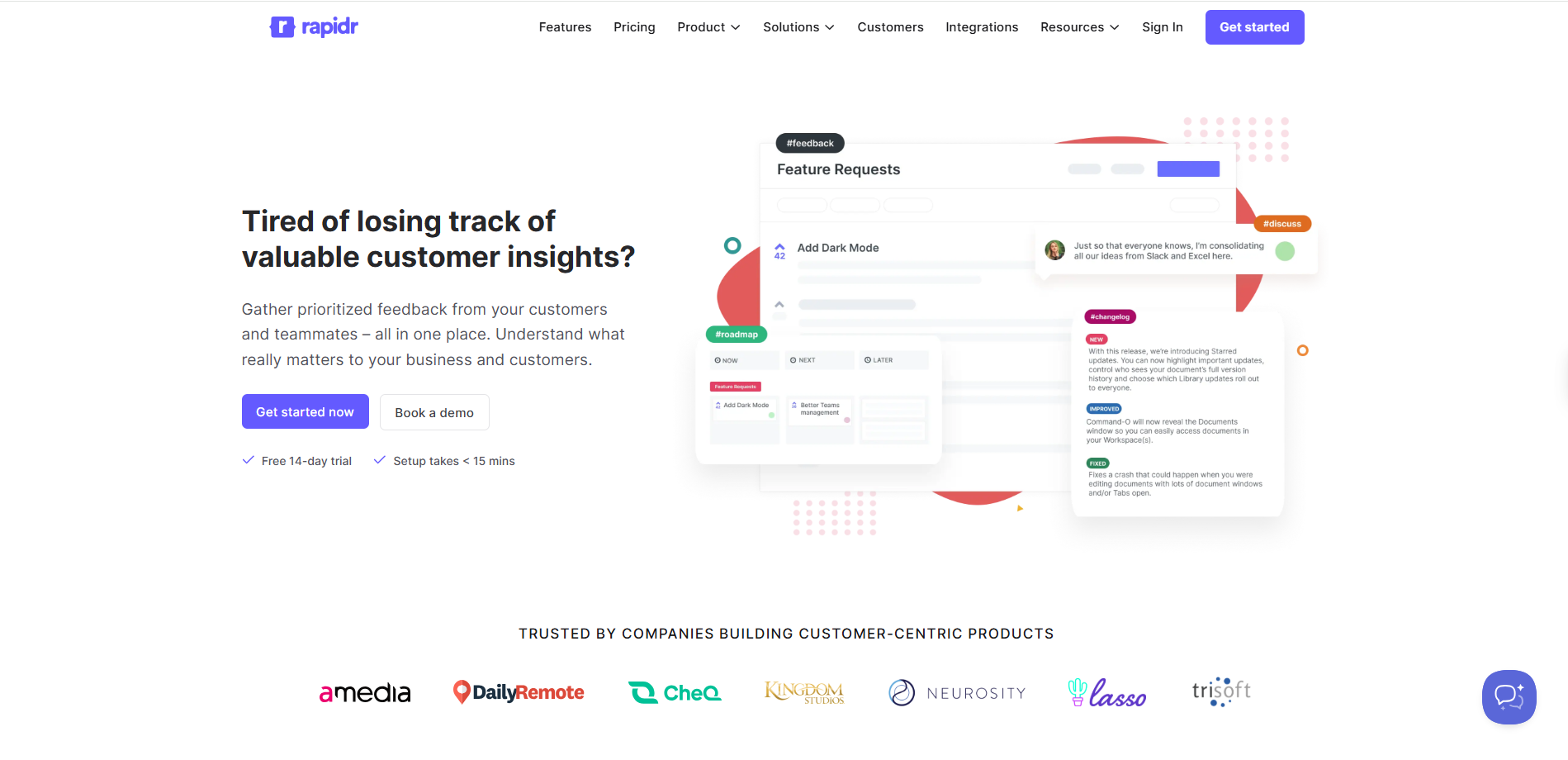
Rapidr offers a full place to gather user ideas, organize them, and share product direction with customers. Teams working on SaaS, apps, or digital products appreciate how Rapidr connects feedback to planning. Rapidr’s pages look clear, and the voting system shows leaders what the community cares about. Combining roadmap views with feedback boards speeds up decision-making and helps companies prioritize wisely.
Top Features
- A community feedback portal that lets users send requests, comment, and upvote ideas, so teams see demand trends easily.
- A roadmap view that maps plans visually, sorts features by timing and status, and gives users a sense of product direction and timing.
- Changelog publishing that highlights completed work with rich descriptions and visuals to show users what changed and why it matters.
- Detailed idea pages where teams add context, attach files, and respond directly to users so feedback feels personal and clear.
- Smart tagging and grouping to organize ideas into themes, departments, or customer segment priorities.
- Priority scoring tools that help product managers weigh value vs effort so they take action on the most impactful ideas first.
10. Userback
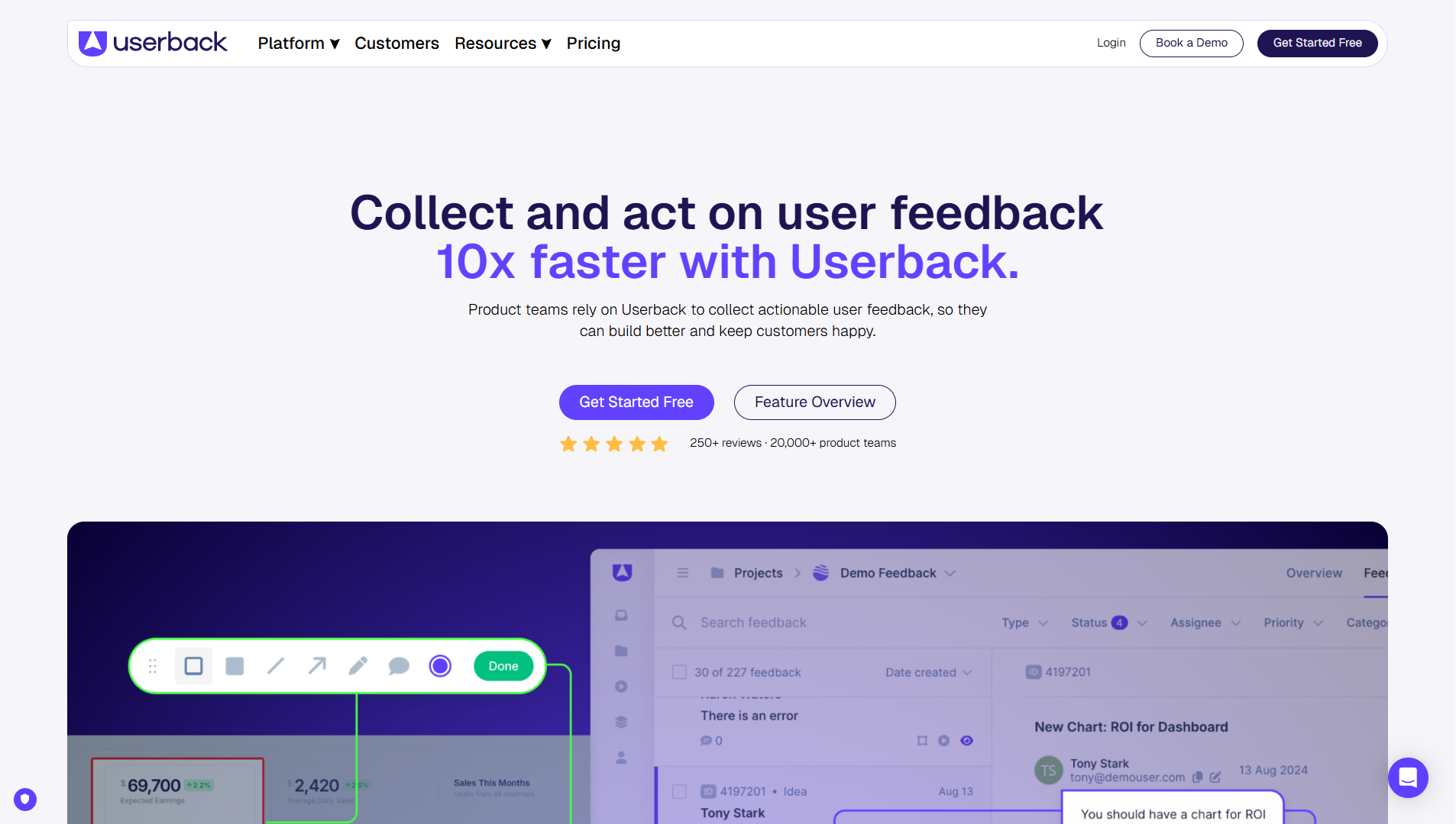
Userback stands out because it focuses on visual feedback that users send while using a product. Instead of just text feedback, customers draw on screens, take screenshots, and record frustrations or ideas visually. That direct context saves time for product teams because developers see exactly what users mean without extra questions or guesswork.
Top Features
- Screenshot annotation tools that let users click, draw, or highlight parts of the screen to show feedback visually.
- Screen recording capture allows users to record problems or ideas in real time and show movement or behavior instead of just describing it.
- Comment threads on visuals so teams and users can talk directly about feedback with clear context and no confusion.
- Workflow integration that sends visual feedback into task boards like Jira or Trello so developers can act quickly.
- A browser extension that allows users to send feedback from inside web apps with one click.
- Organized customer sessions that help track trends in visual feedback over time to see recurring issues or ideas.
11. FeatureOS

FeatureOS focuses on capturing feedback and streamlining how teams plan improvements. It ties customer ideas directly to product roadmaps and status updates in one space. Teams that want a consistent way to run product feedback, product planning, and release communications choose FeatureOS because it unifies everything without chaos.
Top Features
- A central feedback hub that collects ideas from multiple channels and puts them in one searchable place so teams never lose sight of the real user voice.
- Idea voting and prioritization tools that help steer product planning toward the highest user demand.
- Product roadmaps that teams share publicly to encourage trust and reduce repetitive questions.
- Status updates and changelogs that keep users informed in real time about progress, launches, or changes.
- An integration ecosystem that connects FeatureOS with support, chat, and collaboration tools so feedback flows smoothly into work boards.
- User segmentation insights that show which customer types request what features, so teams make smarter decisions.
12. Aha!

Aha! provides powerful product planning and idea management tools for teams that want structure. It supports teams from idea capture to release planning with detailed workflows. Aha! also links customer insights with product strategy, so teams build products aligned with business goals. Many product leaders trust Aha! because it balances detail with strategic planning.
Top Features
- A comprehensive idea portal where users send feature requests, vote, and share context so teams see real user demand at scale.
- Roadmap and release planning tools that lay out timelines, capacities, and milestones with clarity.
- Idea scoring and prioritization frameworks to compare impact, effort, and customer value before committing to work.
- User feedback segmentation that shows trends by customer type, plan tier, or industry segment.
- Customization options that let teams tailor portals to match branding and workflow needs.
- Deep analytics dashboards that track metrics like idea velocity, request volume, and team responsiveness.
13. Productboard

Productboard combines user feedback with product strategy and planning. Teams feed ideas into Productboard from emails, chat, and support tools, so no requests disappear. The system highlights patterns and shows product leaders which ideas align with strategic goals. With clear visual boards and prioritization models, Productboard helps teams go from confusion to focused execution. At the same time, some startups prefer a Productboard alternative that focuses more on fast feedback collection and simple roadmap collaboration without extra complexity.
Top Features
- Feedback capture pipelines that pull requests from emails, CRM, Slack, and support tools so teams have one source of truth.
- Insight organization tools that group feedback by theme or customer segment to see patterns fast.
- Prioritization frameworks that balance value, effort, and strategic goals to help teams pick the right next steps.
- Connected roadmaps that reflect decisions and communicate direction to stakeholders.
- Dependency tracking that shows how ideas link to work plans or release milestones.
- Collaboration spaces where product and design teams share context and reduce rework.
14. Pendo
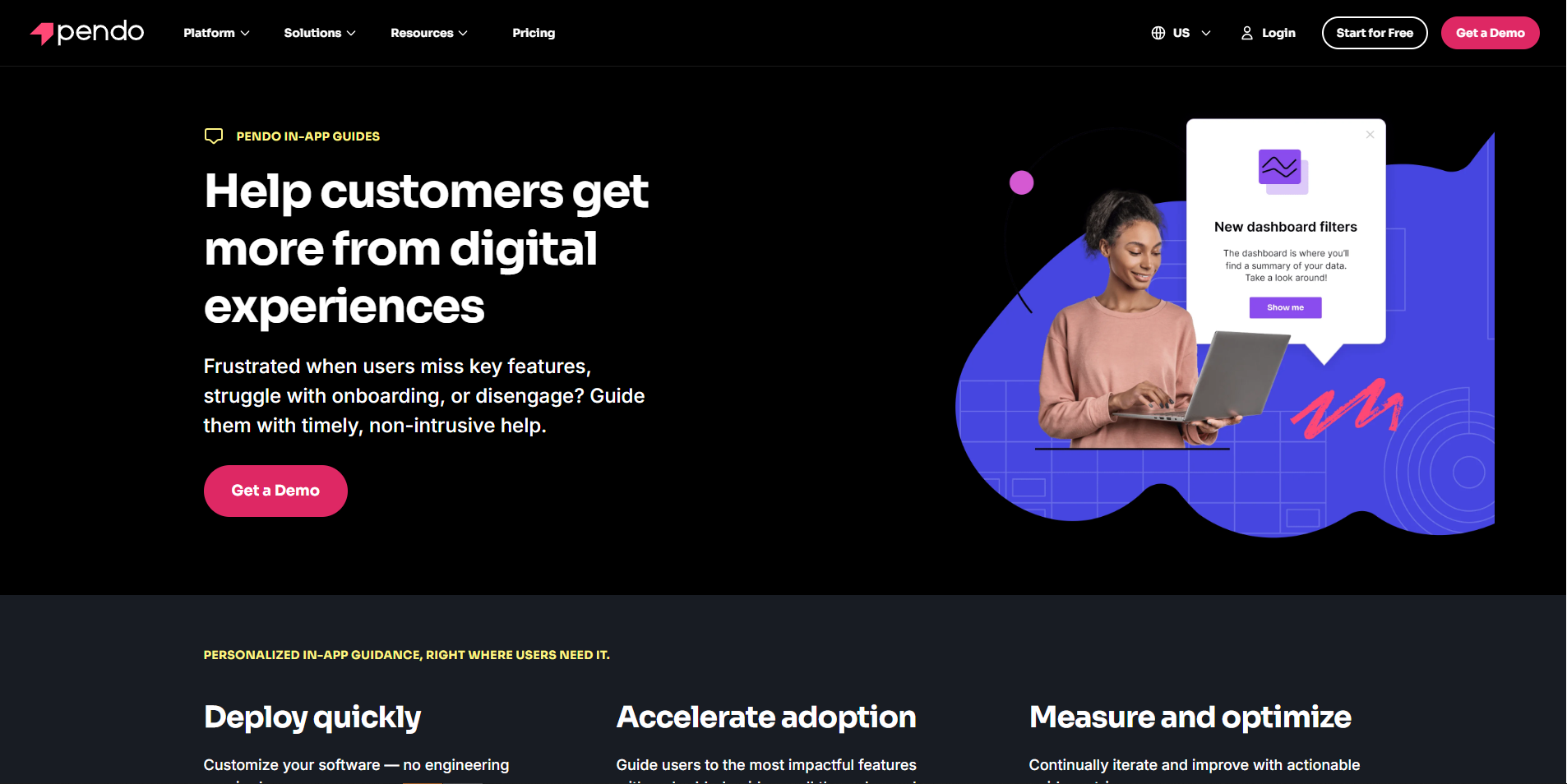
Pendo combines product analytics with feedback and in-app messaging. Teams track how users behave and then ask for feedback at the right time. This combination gives context to user ideas so teams act confidently. Pendo also lets companies send targeted surveys inside the product to capture ideas while users experience real workflows.
Top Features
- Product analytics that show how users interact with features before they share feedback.
- In-app guides and surveys that collect feedback at moments that matter, so teams get timely input.
- Segmentation tools that divide users by behavior, plan, or persona to uncover trends.
- Feedback board linking so analytics and ideas connect in one ecosystem.
- Custom dashboards that show trends over time and compare feature usage vs request volume.
- Push messaging that notifies users about updates or asks for ideas directly inside the product.
15. Hotjar
Hotjar specializes in understanding user behavior and sentiments. It records sessions, tracks clicks and scrolls, and gathers qualitative feedback through surveys. Teams are looking to see not just what users ask for, but how they act. Choose Hotjar because user behavior guides smarter decisions. Hotjar pairs heatmaps and recordings with feedback tools so teams can connect actions with user thoughts.
Top Features
- Heatmaps and session recordings that show how users interact visually with a product, so teams understand friction points clearly.
- On-page feedback widgets that capture user thoughts without interrupting their workflow.
- Surveys and polls that gather voice-of-customer insights about ideas or frustrations.
- Trend analysis tools that show shifts in user behavior over time.
- Segmentation filters that group feedback by device, page, or user type.
- Exportable reports that teams use to share insights with stakeholders or design partners.
16. Sleekplan
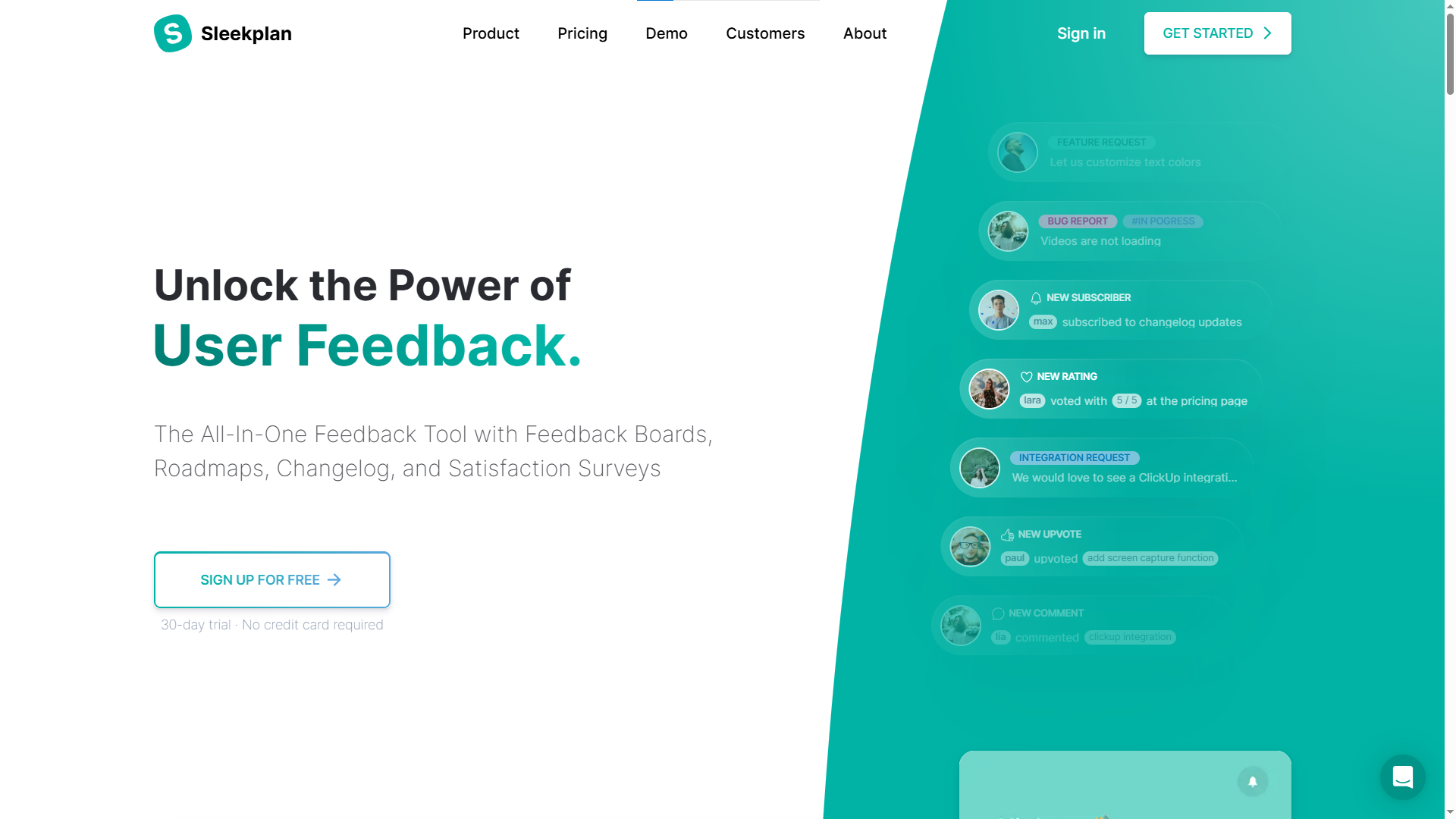
Sleekplan focuses on feedback collection, voting, and roadmap sharing in a simple, elegant interface. Teams use Sleekplan to gather user ideas, sort them into meaningful buckets, and plan future iterations. Because the system blends voting with priority labels and user comments, teams spend less time debating and more time building what users care about most.
Top Features
- Feedback board with transparent voting so users can add ideas and support others’ suggestions.
- Roadmap features that show planned work with clear phases and expected timelines.
- Status tags that mark ideas as accepted, in progress, or complete, so users know exactly where things stand.
- Comment spaces that encourage users to provide deeper context around their suggestions.
- Integration links that connect Sleekplan with help desks and collaboration tools for smoother workflows.
- User profile insights that show which users request what ideas and how often they return.
17. FeedBear
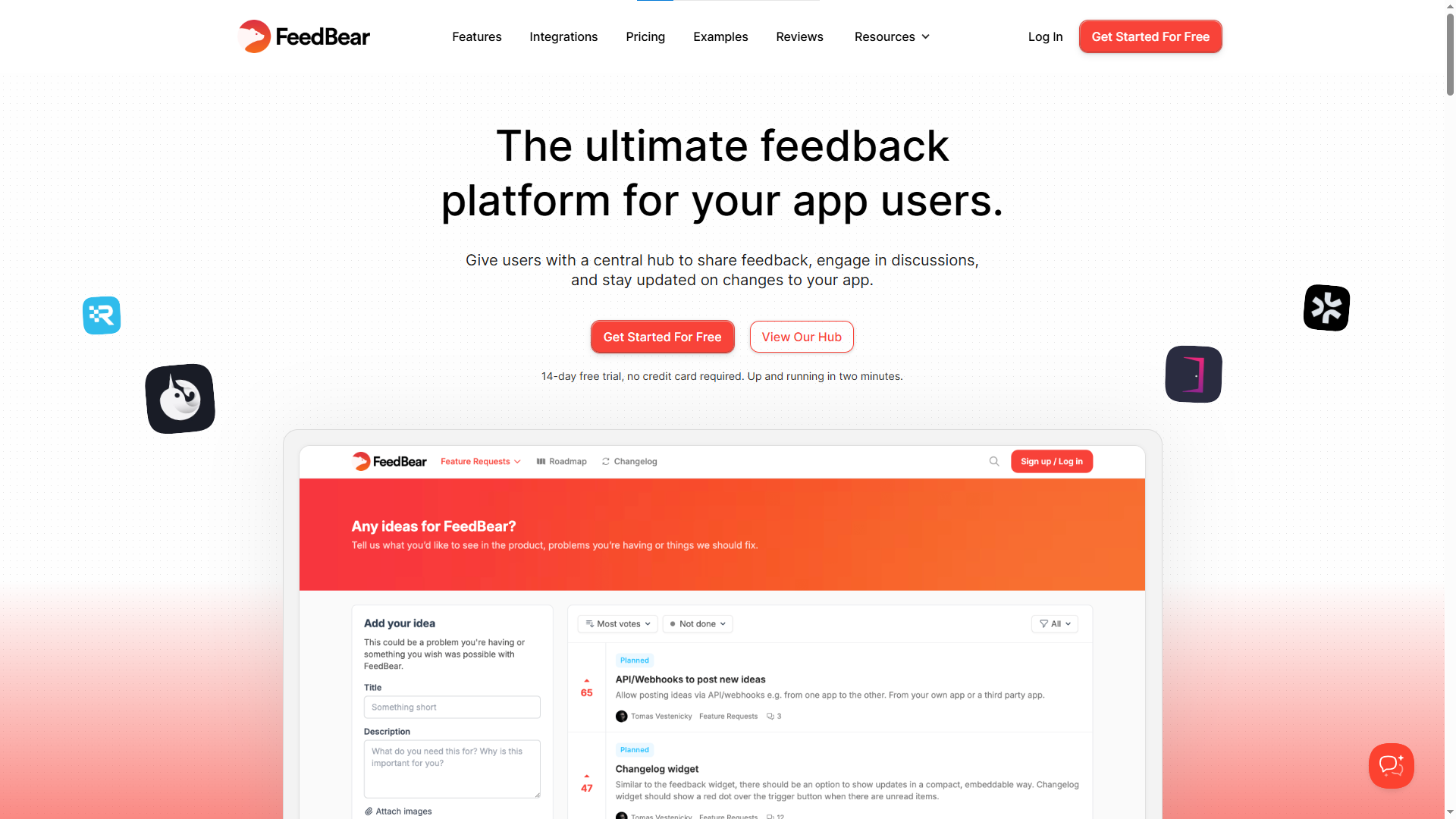
FeedBear emphasizes simplicity and ease of use. Teams set up a feedback board, invite customers, and begin collecting ideas fast. The straightforward layout encourages user participation because people see how voting and comments work immediately. FeedBear supports teams that want a lightweight feedback solution without complexity.
Top Features
- Straightforward idea boards where customers contribute and vote with no friction.
- Customizable categories that organize ideas by topic, team area, or product goal.
- Voting trends display popular requests clearly, so teams respond faster.
- Public roadmap integration that keeps users in the loop and strengthens trust.
- Comments under ideas so customers can explain their thinking, and teams hear the full context.
- Simple admin tools that let teams manage feedback without heavy setup.
18. Savio
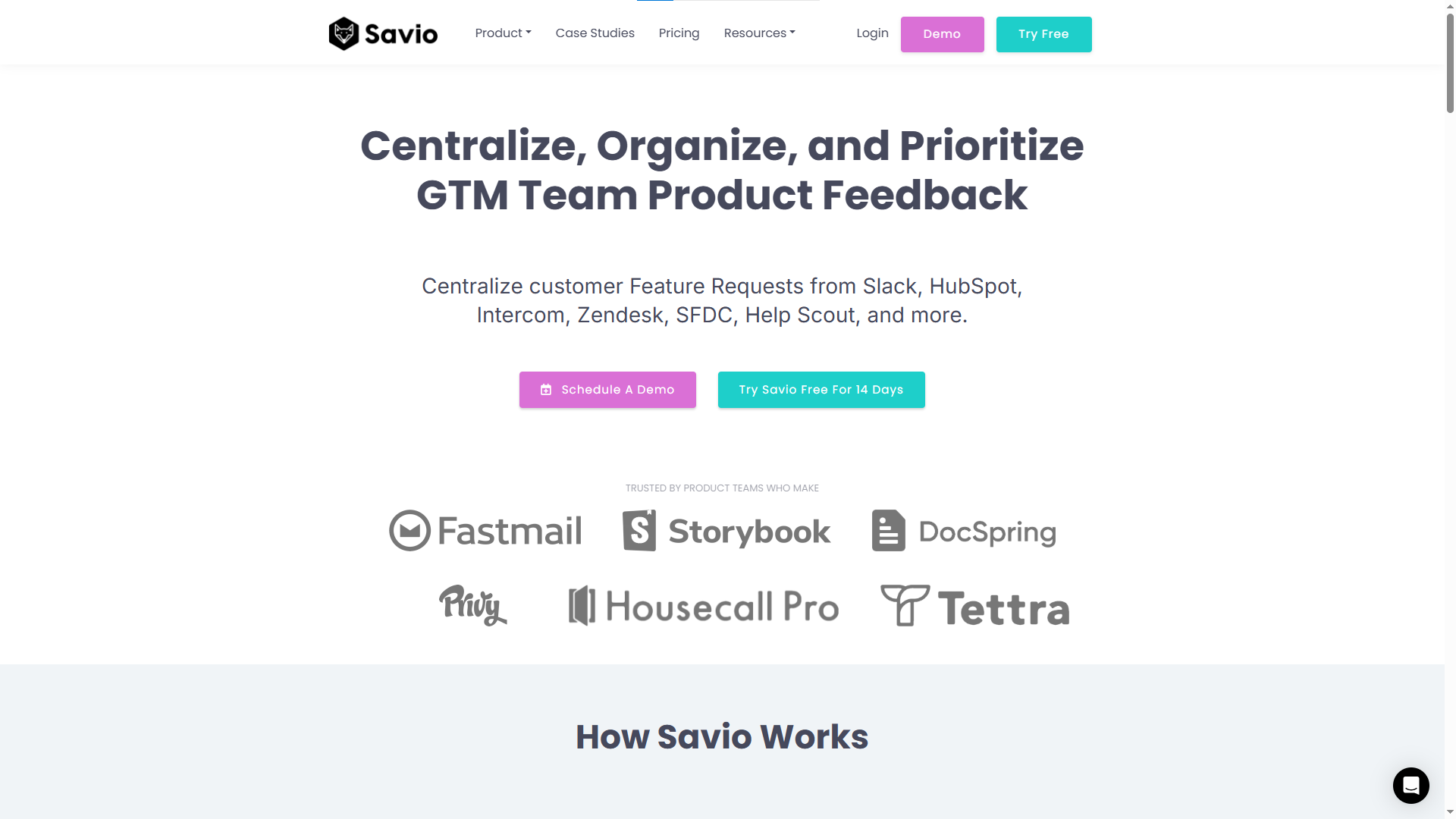
Savio helps teams collect customer feedback and link it directly to customer accounts and revenue data. This approach lets teams see which paying customers request the most common ideas so decisions align with business goals. Savio works especially well for companies that want to prioritize work based on customer value and financial impact.
Top Features
- Revenue-linked idea tracking that shows which paying customers request what, so teams weigh ideas based on revenue value.
- Feedback boards where users and internal teams submit and vote on ideas.
- Customer tagging that shows patterns by persona, region, or plan tier.
- Impact dashboards that highlight potential revenue implications of top requests.
- Integration flows that pull feedback from CRMs, support desks, and chat apps.
- Prioritization tools that guide teams toward decisions backed by real business metrics.
19. Zonka Feedback
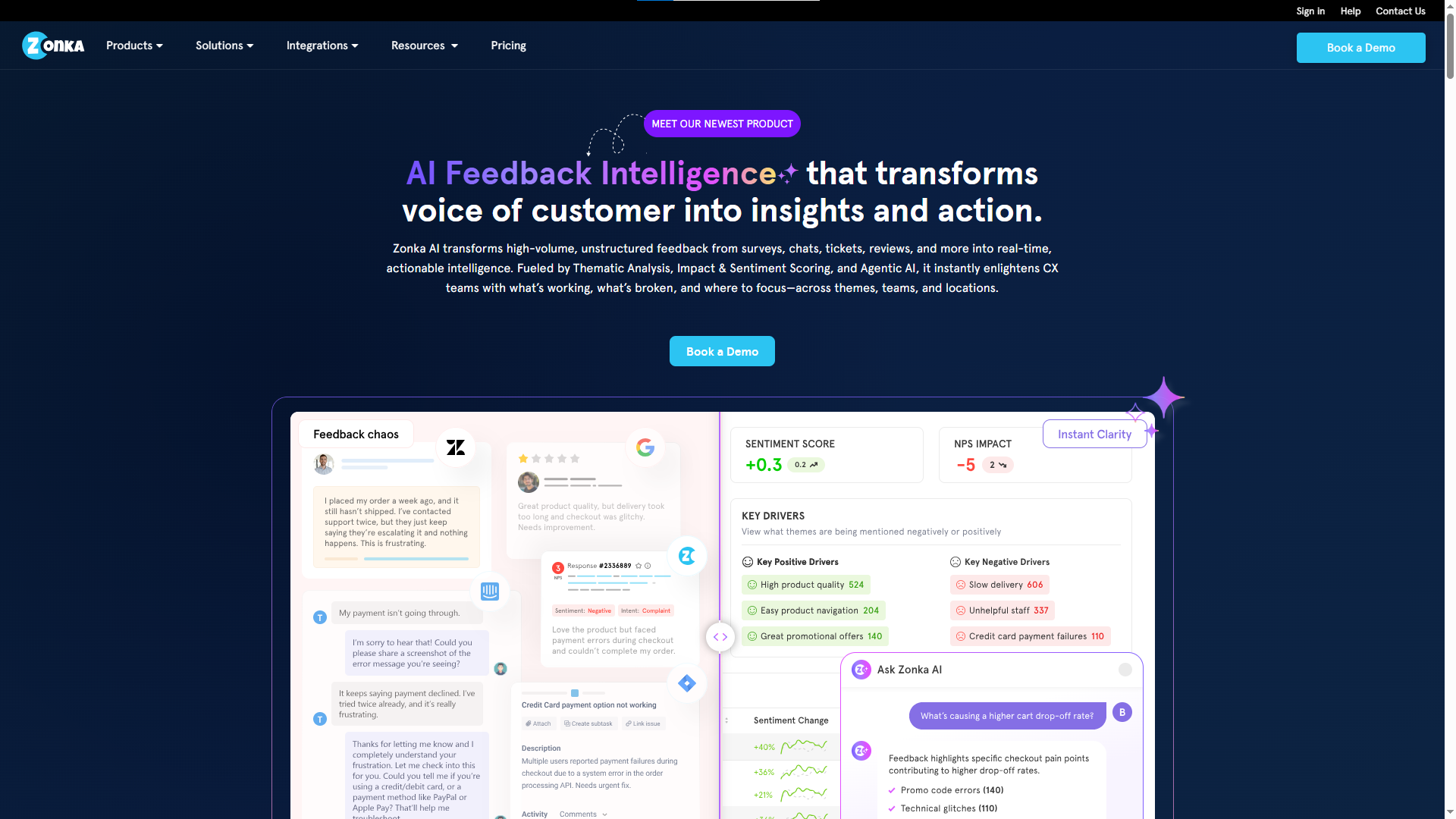
Zonka Feedback offers a mix of customer experience and product insight tools. Teams gather feedback from surveys, forms, and touchpoints across digital and in-person interactions. Because the tool connects many channels, teams build a holistic view of user needs and ideas. Zonka works well for companies that want to blend CX data with product planning.
Top Features
- Multichannel surveys that gather feedback via email, SMS, web, and in-app forms.
- Real-time feedback dashboards that show trends and idea volumes instantly.
- Custom question logic that tailors questions based on user responses.
- Feedback tagging that organizes responses by priority, topic, or sentiment.
- Exportable analytics that teams use to share insights easily.
- Alerts and follow-ups that prompt teams to respond quickly to important feedback.
20. Survicate
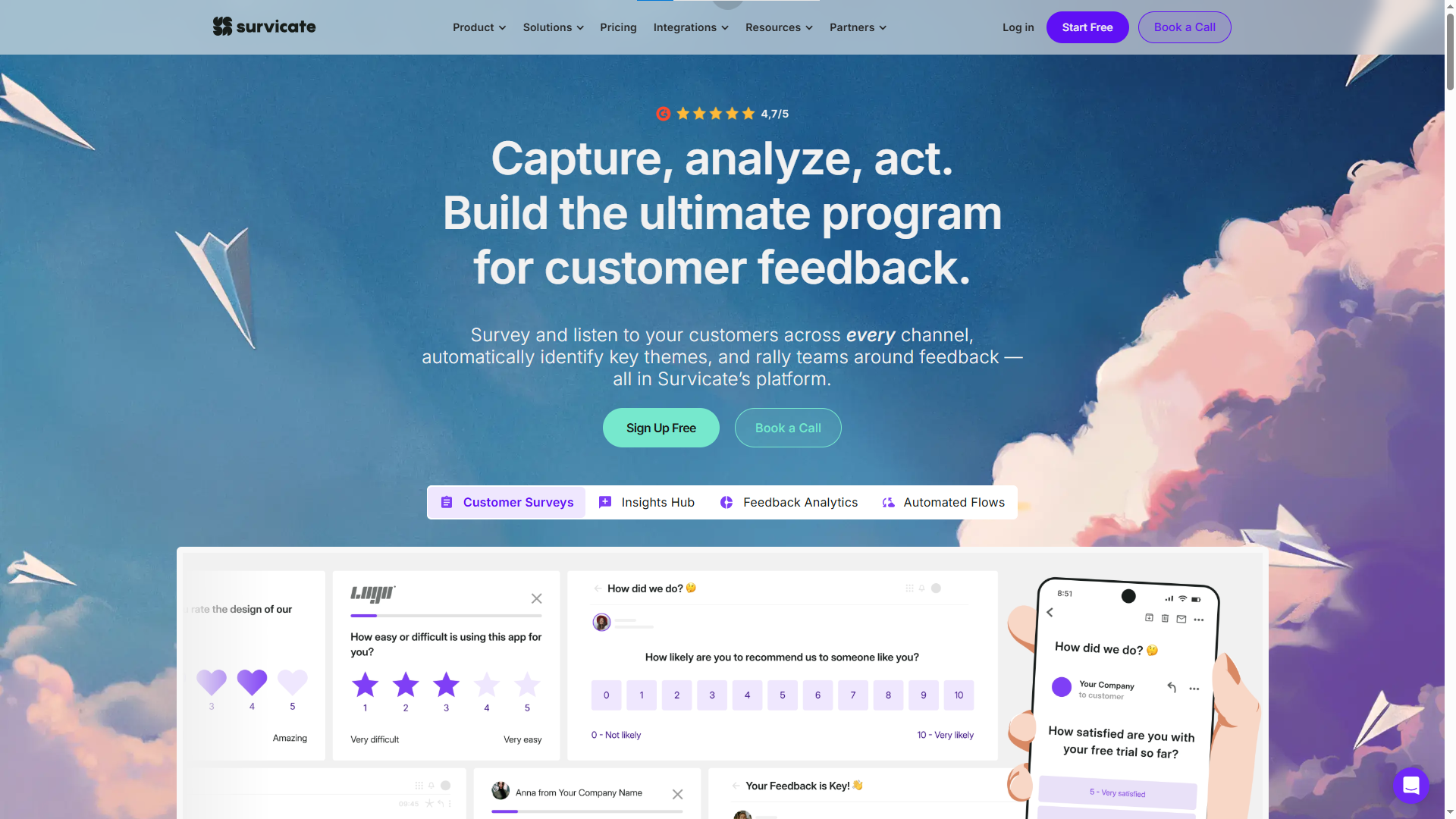
Survicate focuses on feedback collection through surveys, widgets, and targeted questions that pop up inside products. Teams learn how users think at key moments, then route ideas into boards where prioritization begins. The tool works well for product teams that want to combine quantitative surveys with idea collection in one flow.
Top Features
- In-product surveys and feedback widgets that collect ideas directly when users engage with key features.
- Targeted questions that appear to the right users at the right time based on behavior.
- Survey analytics that break down priority areas and emerging trends.
- Idea routing tools that add survey suggestions into feedback boards for team review.
- Integration options with analytics and collaboration tools for better planning.
- Flexible question types that gather ratings, open answers, and quick feedback in one place.
Final Thoughts
A strong product feedback tool helps teams listen to users, organize ideas, and build better products with confidence. Every tool in this list supports growth in a different way. Some platforms focus on simple voting boards. Others focus on deep analytics, roadmaps, or visual feedback. Teams choose tools based on goals, team size, and product stage.
Clear feedback management keeps product decisions focused and user-driven. Teams that collect ideas in one place move faster and avoid confusion. Moreover, regular updates and transparent roadmaps build trust with customers and encourage long-term loyalty.
Quick feedback loops create stronger products. Product teams understand user needs faster, prioritize smarter, and release updates with clear direction. Small startups and large companies both gain value from structured feedback processes.
Choosing the right product feedback tools gives teams a clear system for growth. A good platform turns customer ideas into action, supports collaboration, and helps products improve step by step.
FAQs
What is a product feedback tool?
A product feedback tool gives teams one place to collect, organize, and manage customer ideas. Users share suggestions, vote on requests, and follow progress through roadmaps or changelogs. Teams use this feedback to plan features, improve products, and keep customers informed throughout the product journey.
How do product feedback tools help a team grow faster?
A product feedback tool helps teams collect ideas in one place and turn user suggestions into clear action plans. Teams see popular requests quickly, prioritize better, and ship features with more confidence. As a result, customers feel heard and stay loyal longer.
Which teams benefit most from a product feedback tool?
Product teams, SaaS founders, support teams, and customer success teams gain strong value from a product feedback tool. Small startups use it to understand user needs early. Larger teams use it to manage thousands of ideas without confusion.
Can startups use a product feedback tool without technical skills?
Yes. Most platforms offer simple setup flows and clear dashboards. Teams create feedback boards, add categories, and start collecting ideas in minutes. Many tools also provide templates, so beginners can launch quickly.
How do voting systems improve feature prioritization?
Voting systems show real customer demand through clear numbers. Teams spot popular requests easily and align priorities with user needs. This process reduces guesswork and supports smarter planning.


.svg "footer-logo")




.svg "fecebook")
.svg "linkdin")
.svg "twitter")



.png)